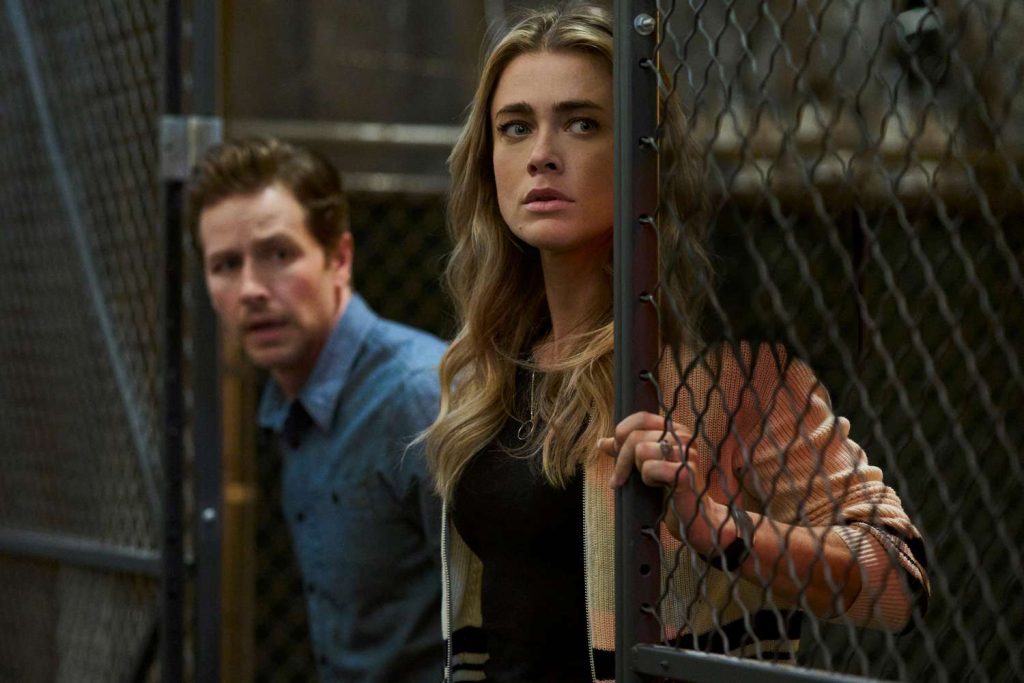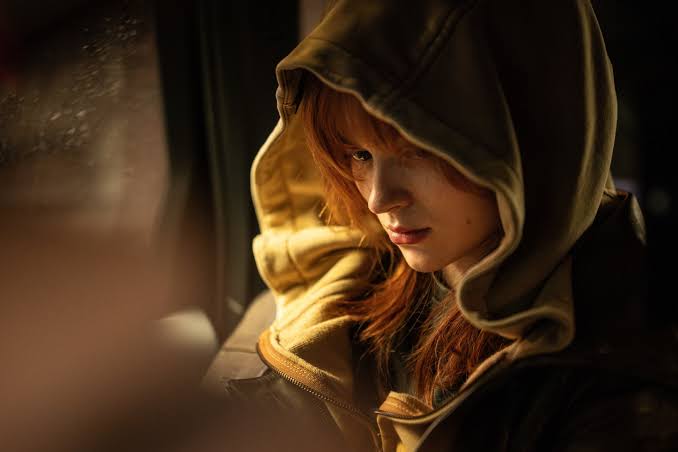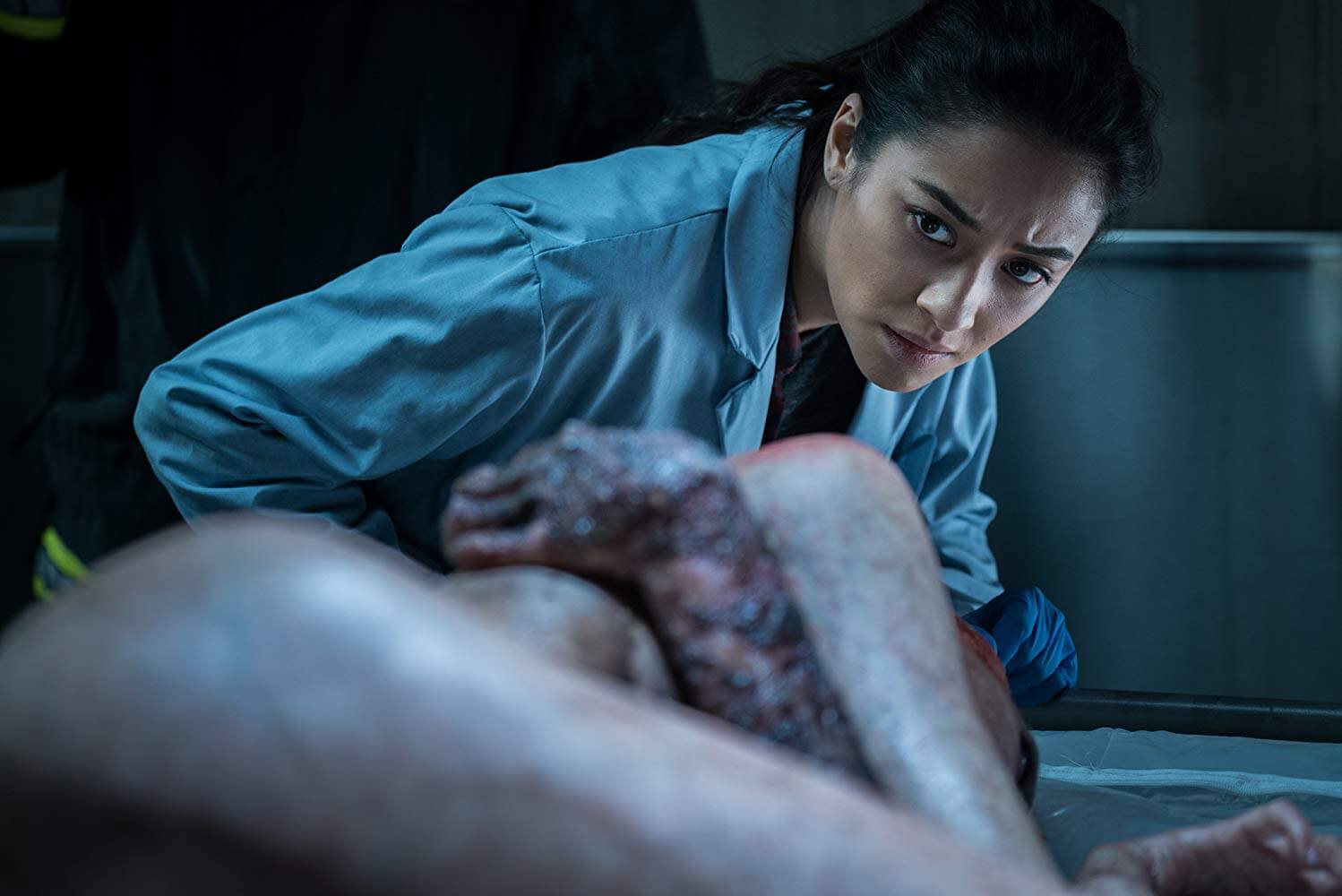
Psychologically damaged ex-cop and recovering addict Megan is trying to rebuild her life after quitting the force when her partner was killed as she froze under fire during a routine stop. With the help of her mentor, she secures a job as the solitary overnight cover in the morgue of the city hospital, taking delivery of cadavers and carrying out routine processing of the corpses.
Despite the grim demands of her work, Megan welcomes the absence of social interaction, finding the separation from others a balm to her guilt and a relief from the pressures of temptation. When she discovers that not everything in the morgue is quite as lifeless as she had been led to believe, she is unsure at first whether it’s her sanity or reality that is coming apart.
On its initial release, The Possession of Hannah Grace endured something of a roasting from unimpressed critics, several of whom compared it unfavourably to 2016’s The Autopsy of Jane Doe. But while it’s true that there’s little original or unexpected in the unfolding of the film’s “undead things on the slab” premise – its focus on the demonic possession of a young woman or its reliance on a flawed hero ill-equipped to face the monstrous terrors that await her – it would be unfair to dismiss this horror outright because of its derivative storyline.
In his US feature debut, director Van Rooijen pulls an impressive amount of impact from what is an undeniably underwhelming script and plot. The brutalist environs of the basement morgue are fantastically designed and lit, with maximum value wrought from the motion-sensor lights, the unsettling stillness and silence of Megan’s lonely night shift, and the blaring horn that announces the next ambulance’s arrival. Van Rooijen holds back the musical score in favour of chilling and unnerving sound design.
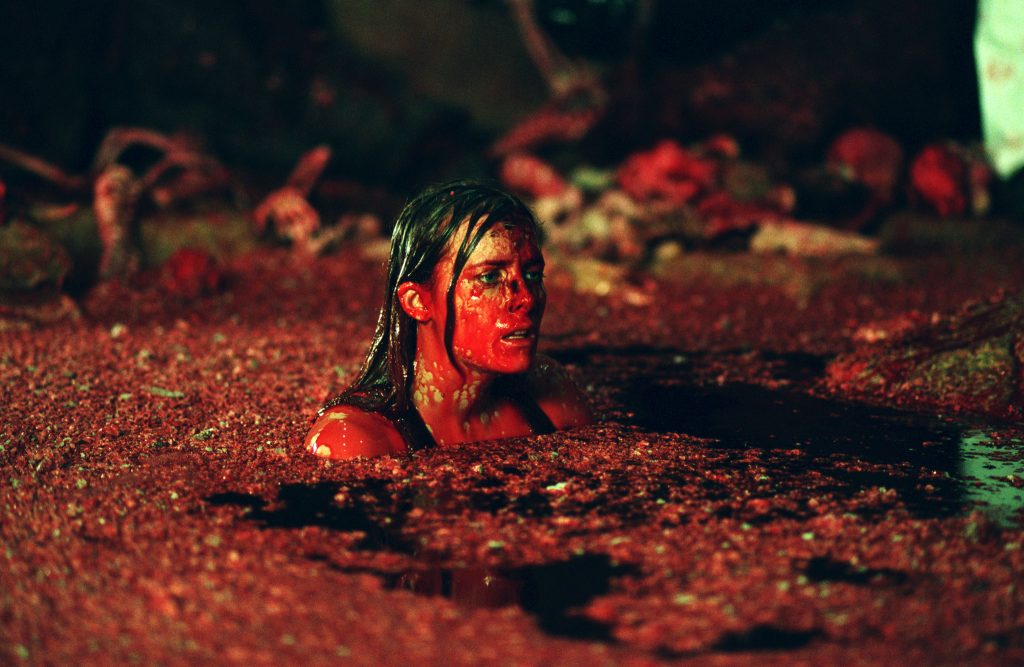
The film’s stylish cinematography prioritises atmosphere over jump scares (although the trailer would have you believe otherwise) and gets a good return from shots that show the threat to Megan scuttling in the background and across the edges of the frame. It’s a filmic style that ensures an effective contrast with the unflinching moments of gore and (dead)-body horror that punctuate the film.
Shay Mitchell cuts a sympathetic figure as the damaged Megan, balancing vulnerability against her obvious reserves of strength and returning self-belief. As Hannah, Kirby Johnson brings extraordinary skills as a contortionist and dancer, and shows no qualms about appearing as a naked and badly-injured corpse for large segments of the film. Her physicality, and complete commitment to delivering on the role, is central to the film’s punch.
The small ensemble cast of characters who intersect with Megan at different points during her worsening plight are reasonably well drawn, with Nick Thune’s empathetic paramedic the most three dimensional amongst them. The gruesome make-up and visual effects are, in the main, more than acceptable.
So, given all of those strengths, why does The Possession of Hannah Grace come up short? The key fault lies with writer Brian Sieve’s unimaginative script which, as well as relying too much on over-familiar tropes, offers only the sketchiest characterisation of his two female leads. It also fumbles its own internal logic. Sieve’s by-the-numbers finale is the weakest component of his underpowered screenplay, something which even the clearly capable Van Rooijen can do little to compensate for.
THE POSSESSION OF HANNAH GRACE / CERT: 15 / DIRECTOR: DIEDERIK VAN ROOIJEN / SCREENPLAY: BRIAN SIEVE / STARRING: SHAY MITCHELL, GREY DAMON, KIRBY JOHNSON, NICK THUNE, LOUIS HERTHUM / RELEASE DATE: 8TH APRIL