Photo by Erik Uruci from Pexels
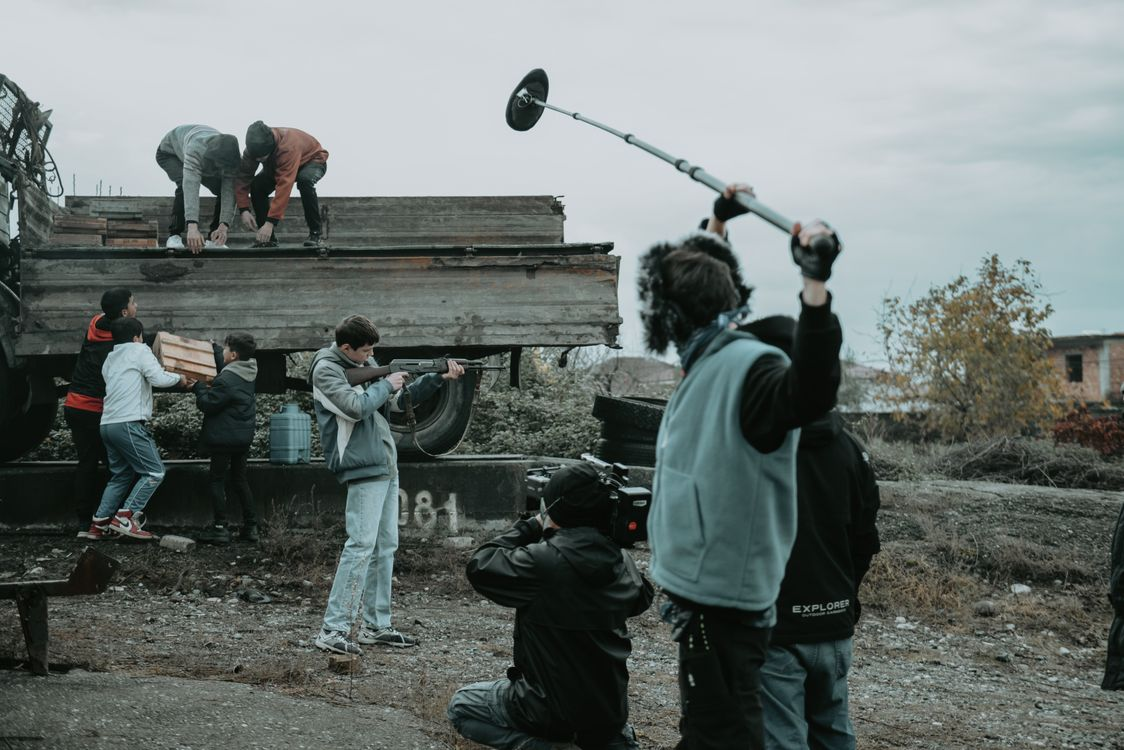
With the technology we have right now, it’s possible for anyone with a passion for film to produce their own. A smartphone camera and a good script, along with a team of volunteers and enthusiasts, are already enough to craft something worthy of being a Cannes selection. However, beneath all the excitement young filmmakers feel about their passion projects, there’s also the more technical aspect of location scouting. Without a good location, you risk falling short of your artistic vision.
For this reason, you need to know how you can look for a venue that will bring life to your script without having to look far and spend a hefty price on logistics. Often, you end up cutting corners just to satisfy these considerations at the expense of your goals. Then again, a good filmmaker can make do with what they have and look for a way around what’s considered impossible. If this is your first time being a serious filmmaker, the following might help you scout for a good location:
1. Know the Limits of Your Script
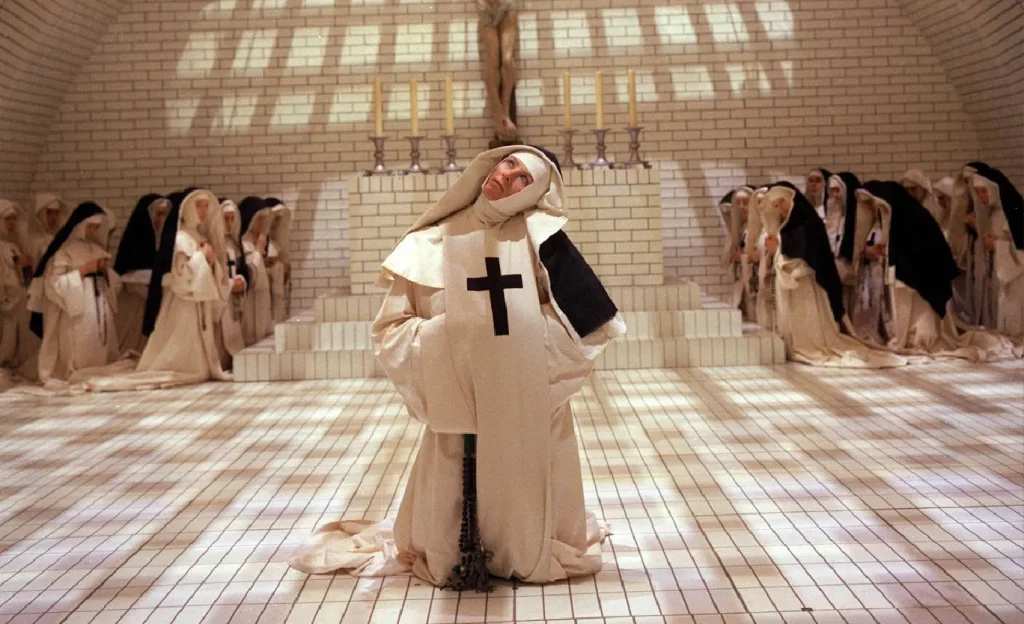
You have the creative freedom as a filmmaker to tell a personal story and, at the same time, capture your audience’s imagination. Then again, an ambitious story demands sets that match the feel and atmosphere of the world you’re building, especially if it’s going to be a science fiction or fantasy feature.
Whichever the case, you have the call on whether the story itself is feasible. That’s not to say you can’t pursue a project because of such constraints, but it helps if you can come up with criteria for selecting locations for outdoor and indoor shoots. This also allows you to save time and consider nearby places that you could easily modify to align with a specific scene or sequence.
2. Determine How Much You’re Willing to Pay
It’s not only your script that guides you in location-scouting. Budgetary constraints will also affect your choices. Independent productions often end up using CGI sets for filming sequences taking place in locations that are otherwise inaccessible locally.
If you have enough in your budget, you could take production to areas outside your neighborhood or make modifications to places that closely match the description of a location in your script. Unless someone is willing to pay for logistics and other costs, you’re better off filming close to home. In that case, ask people around for leads or crowdsource for ideas on Facebook or Instagram.
3. Make Safety a Priority
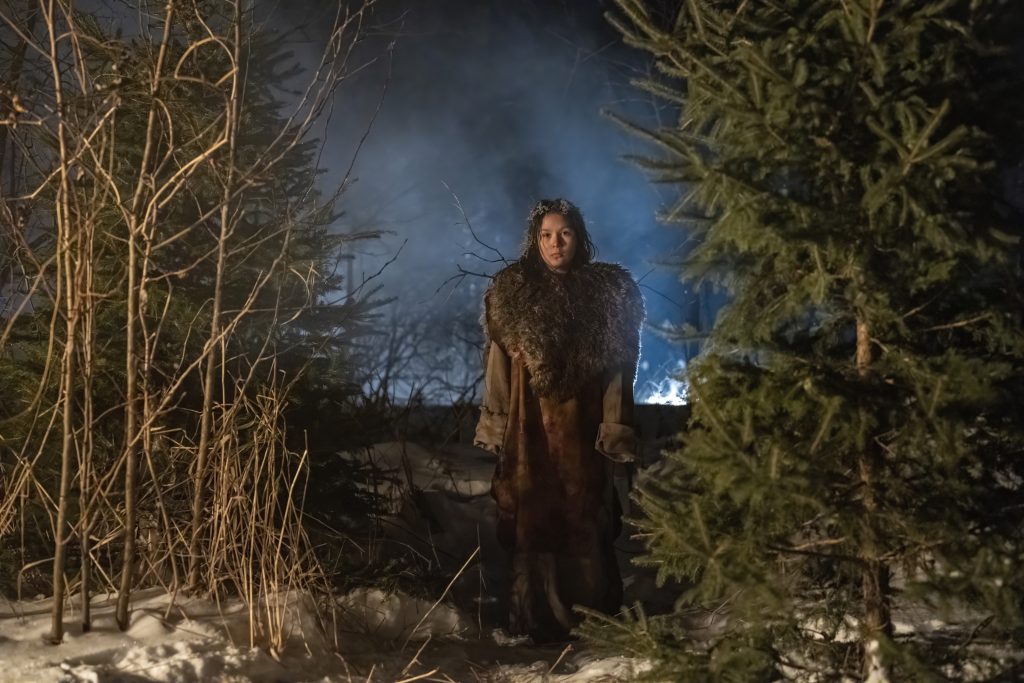
Whether you’re filming locally or across borders, it’s important to ensure that everyone is kept safe from anything that might go wrong. This is crucial if you’re filming under hazardous conditions, such as in the middle of a forest or a snowstorm.
Even indoor locations can pose a safety threat. If you choose an old building for a scene for a period film, keep in mind that it might be contaminated with asbestos fibers. Sites like MesotheliomaHope.com warn about asbestos as a cancer-causing material, so wherever you’re filming, always check the structural integrity and history of the building.
4. Learn About Legal Permissions
When it comes to location-scouting, keep in mind that there are laws covering the use of filming equipment in both public and private properties. To be sure, always reach out to a local film council on what permissions you need to secure and the guidelines you need to follow.
You may have to secure special permits for filming wildlife and restricted areas like government offices and factories. Even if you think you’ve found the perfect location, it matters to avoid overstepping legal boundaries.
Endnote
Scouting for the ideal location for a scene requires hard work, but keeping these tips in mind will put you on the right path towards completing your artistic vision.