Folk horror has moved from the margins into mainstream culture and become a revealing genre of the past decade. Its remote landscapes, inherited rituals, and closed communities create suspense, yet their deeper power comes from the way they turn social unease into vivid stories. The genre asks what happens when institutions fail and older beliefs return to fill the gap.
The tradition is older than its recent popularity suggests. British films such as Witchfinder General from 1968, The Blood on Satan’s Claw from 1971, and The Wicker Man from 1973 are often grouped as a central trio linking rural settings with persecution, ritual, and communal violence. Later critics helped define folk horror as a flexible category rather than a formula.
That flexibility helps explain why the genre now reaches audiences far beyond specialist horror circles. In a culture filled with forecasts, rankings, NFL draft betting odds for 2026, and constant speculation about what comes next, folk horror offers a darker version of the same desire to make uncertainty legible. It replaces percentages with omens, traditions, and stories about people who believe they can control disorder.
Old Landscapes and New Fears
Modern folk horror often presents the countryside as a place where history has never disappeared. The woods, fields, ruins, and villages are not neutral backgrounds because they hold memories of ownership, faith, labor, violence, and exclusion. This approach challenges the romantic idea that rural life is automatically peaceful or morally pure.
Films including The Witch, released in 2015, and Midsommar, released in 2019, brought these concerns to international audiences. Both focus on isolated communities, strict belief systems, and vulnerable outsiders, although their settings, periods, and visual styles differ sharply. Their success showed folk horror could be atmospheric, intellectually ambitious, and commercially visible simultaneously.
Fear of Social Breakdown
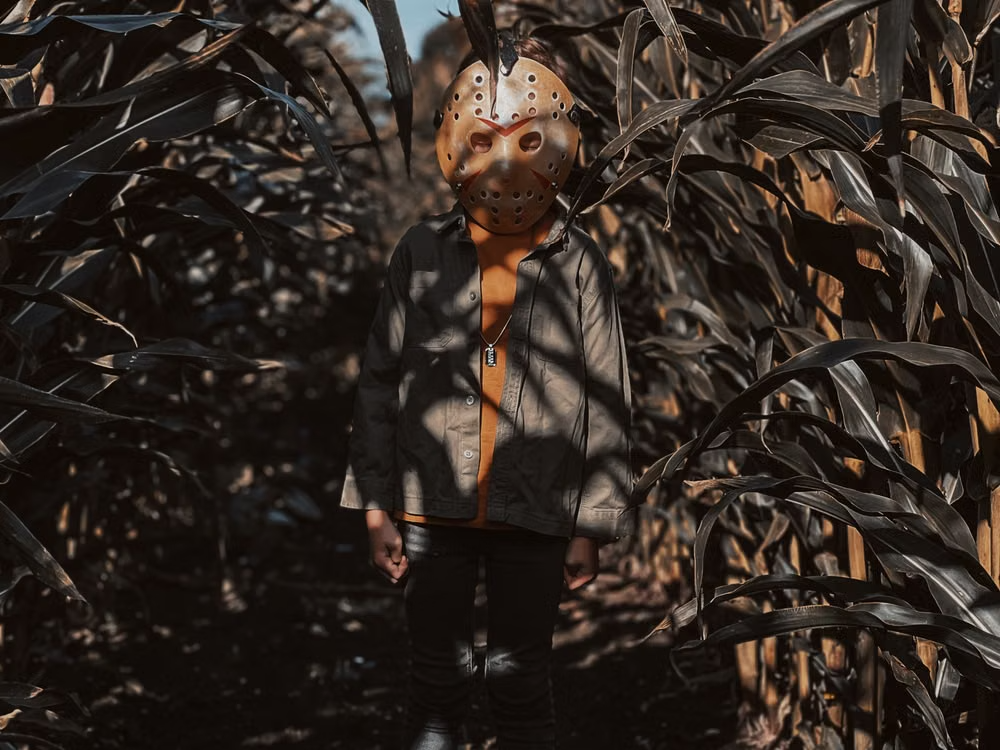
Folk horror communities often appear stable because everyone knows the rituals, but that stability depends on obedience, secrecy, and punishment. The outsider gradually discovers belonging has a cost and consensus can conceal coercion.
This theme speaks to the current distrust of political systems, the media, corporations, and public institutions. The genre rarely offers a detailed political argument, yet it repeatedly imagines people searching for certainty through groups that promise order. What begins as a community can become surveillance, conformity, and violence.
The Return of the Past
Old prejudices, religious conflicts, class divisions, and territorial claims often reappear through legends or ceremonies. The supernatural may be real, but the social history beneath it is usually just as threatening.
Nature Without Comfort
Environmental anxiety has made folk horror especially resonant. Many recent stories depict nature as indifferent, wounded, or resistant to human control, and not as a source of simple healing. Forests, coastlines, animals, and weather can become active forces that expose human arrogance.
This pattern does not make every folk horror film an ecological allegory. Still, the genre is well suited to a period shaped by climate change, habitat loss, extreme weather, and arguments over land use. It turns environmental instability into stories where the landscape watches, remembers, and sometimes retaliates.
Isolation in a Connected World
Folk horror removes characters from familiar networks, then places them in communities whose codes they cannot read. A phone signal disappears, a road closes, or local language becomes ambiguous and leaves the outsider dependent on people who may be dangerous.
This setup appeals in an era of endless information. People can track NFL draft odds, compare predictions, and bet on the NFL draft within minutes, yet access to data does not guarantee wisdom or security. Folk horror strips away that illusion and shows characters facing situations that cannot be solved through faster searches.
Why Ritual Feels So Powerful
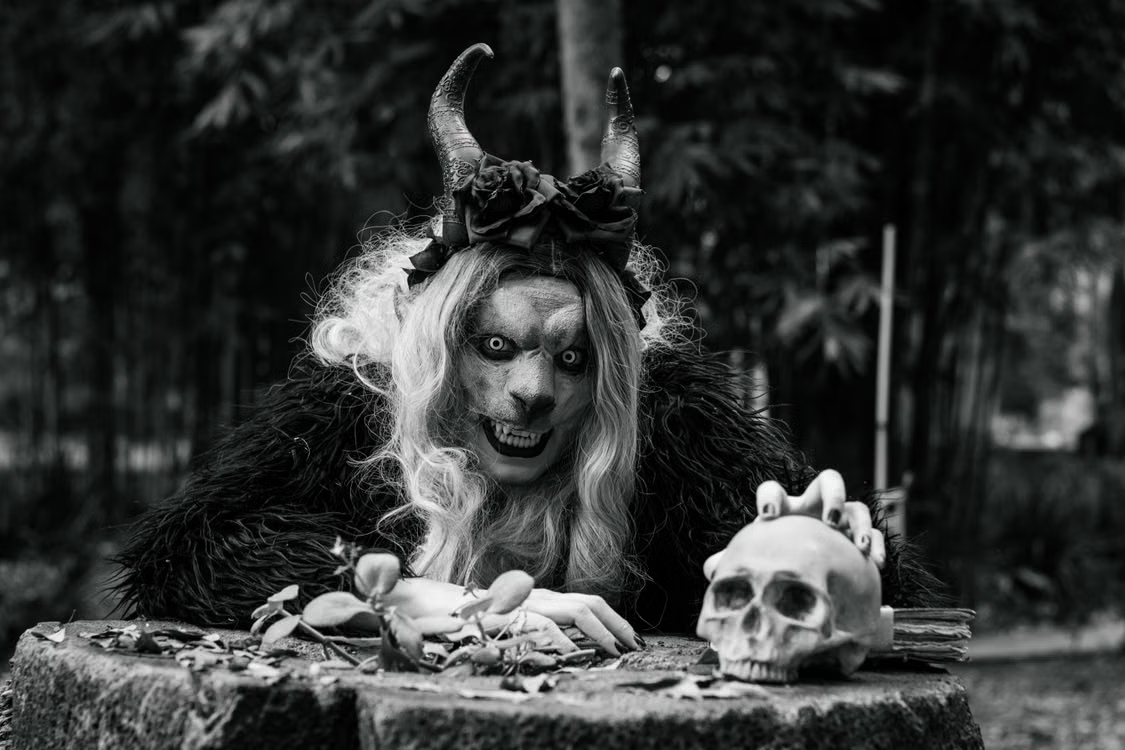
Ritual gives folk horror its most memorable images because it combines beauty, repetition, and threat. Songs, dances, masks, meals, and seasonal ceremonies can appear meaningful before their purpose is fully understood. The audience senses that every gesture belongs to a system, even when the protagonist cannot see the rules.
The genre is also suspicious of nostalgia. Villages and old traditions may look authentic, orderly, and protected from modern chaos, but that apparent purity often depends on exclusion or invented history. Folk horror exposes the danger of treating the past as a unified world with clear values.
What the Revival Reveals
The rise of folk horror suggests that many audiences are worried about systems larger than any individual. Climate, history, community pressure, inequality, and institutional distrust cannot be defeated by one heroic decision. The genre makes these forces visible by giving them faces, ceremonies, landscapes, and consequences.
Its popularity also shows a hunger for stories that resist simple explanations. Folk horror can be supernatural, psychological, political, ecological, or all of these at once, which allows different anxieties to overlap.
Folk horror remains compelling because it turns diffuse unease into shared images. Beneath every ritual and ruined landscape lies a modern question about belonging, power, memory, and survival. These stories endure because old fears still shape the future.