The tale of a man who got so lost that his story is named after just how lost he got. An epic myth which launched a thousand writers, each describing every slightly weird journey in the years which followed as an ‘Odyssey’. This is territory director Christopher Nolan has breached before, with Interstellar, although his take on Homer serves more as a companion piece to 2023’s Oppenheimer.
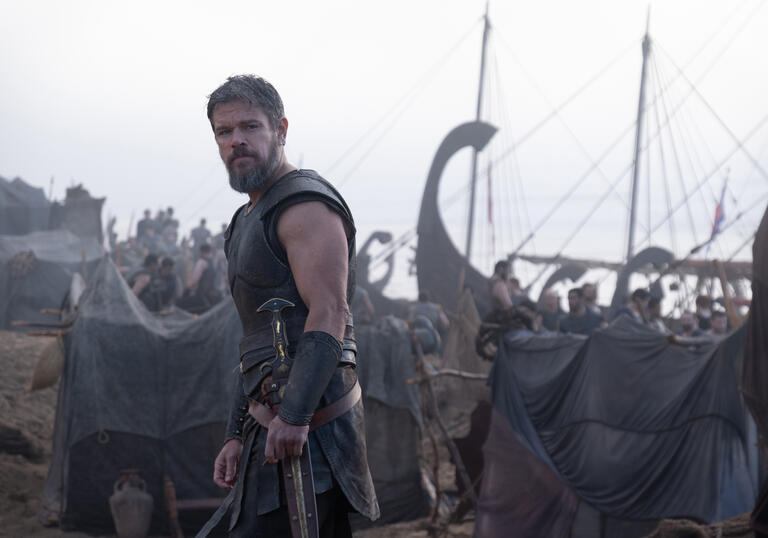
It’s been a decade since the siege of Troy, and a tactical decision from warrior King Odysseus (Matt Damon) which turned the tide of war… nay, history. In that time, he’s disappeared, lost at sea with a cohort of his most trusty men. Back home in Ithaca, wife Penelope (Anne Hathaway) holds the throne, although the many suitors she’s accrued over the years are growing impatient…
The Odyssey is a story about stories. Nolan uses the film’s structure to transcend time, telling Odysseus’s story through the accounts of others and – as told to Charlize Theron’s sea nymph – in his own confused words. The film tracks Odysseus’s arduous journey home, although Nolan is more concerned with what he’s left behind – in the ashes of Troy, and the wife and son waiting at home.
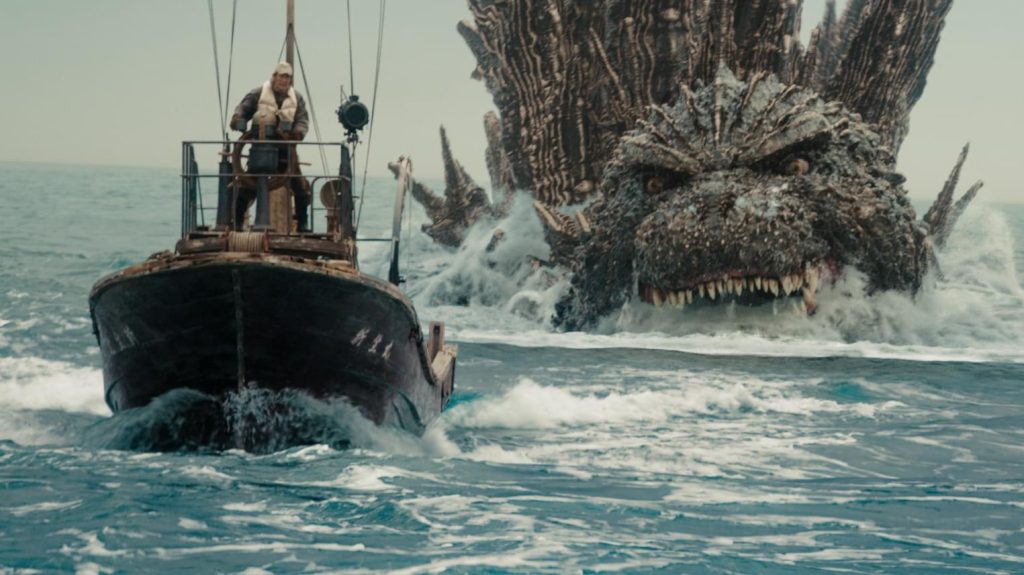
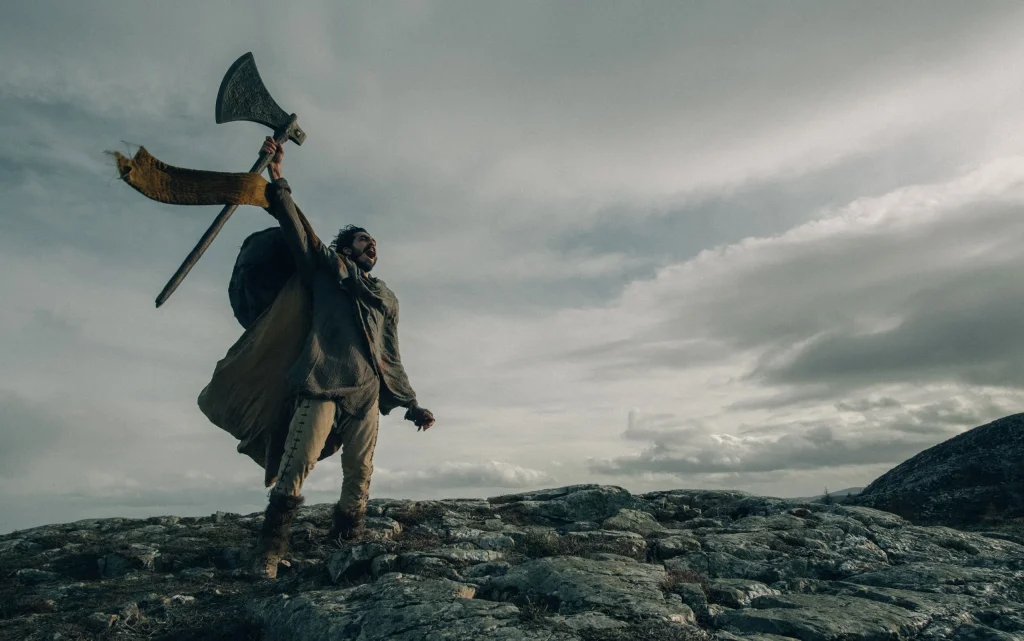
It’s a film that only Christopher Nolan could have made. It’s a world of gods and monsters which eschews the colourful mythology in favour of horror-infused vignettes and gritty battle sequences. These encounters are tantalisingly brief. Not to spoil a 2700-year-old text, but the travellers’ encounter with a certain-one eyed shepherd and a hut-dwelling Samantha Morton give viewers a glimpse of what a Christopher Nolan horror film might look like. It’s an approach which won’t please everybody, stripping away much of the magic from a world which should be brimming with it.
This is claustrophobic viewing, never giving the action space to breathe in spite of the grand scale. Two decades on from Batman Begins, and the man still can’t choreograph a fight sequence without inducing a dizzy spell in his viewers. And then there are the other criticisms. The accents and modern parlances. The so-called ‘iPhone’ faces of certain cast members. Every time Tom Holland says ‘mom’ or ‘dad’, I found myself dragged from ancient Greece all the way back to 2026.
And yet there’s no denying The Odyssey’s power. The score by composer Ludwig Göransson throbs with intensity. The performances are raw and vulnerable – particularly Elliot Page, John Leguizamo and Himesh Patel (hasn’t he come a long way since EastEnders!). The latter’s difficult relationship to Odysseus becomes lost in the fray. Character work has never been Nolan’s strong point, and The Odyssey will do little to silence his critics. Still, the emotion is there, particularly during the triumphant home stretch. Should it become too solemn, then there’s Robert Pattinson, giving the film its enjoyably smug villain.
The Odyssey is perhaps the most Christopher Nolan film to date. Everything he’s done so far has led to this. The gruelling battle sequences of Dunkirk. The epic journey of Interstellar. The grounded realism of his Dark Knight trilogy. The timey-wimey-wibbly-wobbly of… well, most of his work. The emotional turmoil and regret of Oppenheimer in its lead character. It’s no one thing, but it’s definitely a Christopher Nolan film. It’s the Christopher Nolan film.
It’s a work of indelible power and horror from a modern mythmaker so at the top of his game that he risks losing sight of the humans at his stories’ core.
THE ODYSSEY is out in UK cinemas now.