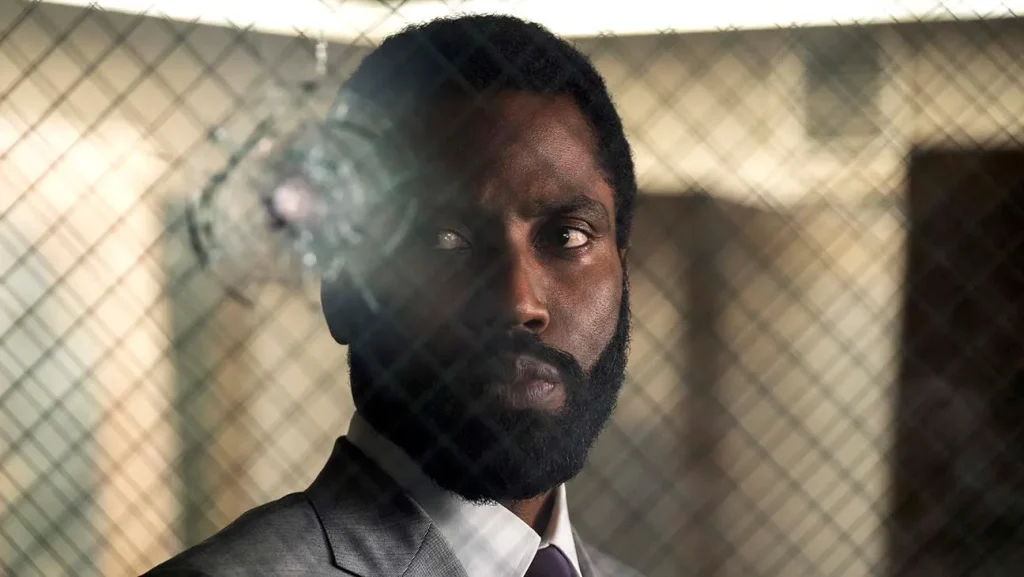
You know how Hollywood loves jumping on whatever’s hot? Well, 2019’s “Crypto” dove straight into the cryptocurrency madness. Results? Pretty mixed, honestly.
Director John Stalberg Jr. tried to mash together financial thriller vibes with the sketchy world of digital money. We follow Martin Duran, this Wall Street anti-money laundering guy, who goes back to his family’s small-town farm and gets way more than he signed up for.
The movie tackles relevant stuff. Digital privacy fears, this bizarre new money that’s just code, how tech keeps invading everything. But does it actually work? That’s what we’re here to figure out.
Money Laundering Goes Digital
Here’s where “Crypto” doesn’t completely fail—it gets at real worries about cryptocurrency funding shady stuff. Martin finds this huge international money laundering thing running through crypto channels. Which, let’s be honest, isn’t exactly shocking news.
We’ve all seen the headlines. Bitcoin on dark websites. Ransomware demanding payment in untraceable coins. The film shows how ridiculously easy moving dirty money can be when there’s basically no oversight. It’s the Wild West out there.
Sure, the movie dramatises everything (it’s a thriller), but the core fear? Totally legitimate. How do we stop bad guys from gaming these new financial tools?
From Gold to Data
What’s actually interesting is how the movie treats cryptocurrency as just the next step in money evolution. Remember when people freaked out about credit cards? Online banking seemed crazy once, too. Now we’re dealing with currency that exists purely as data.
Martin’s confusion about this new financial world is basically all of us. One day, you’re doing normal bank transfers, the next day you’re trying to understand blockchain and digital wallets. The film suggests we’re living through a massive shift in how money works.
And honestly? It’s probably right.
Privacy Is Dead (Maybe)
The digital security angle hits different now. Characters constantly worry about digital footprints being tracked, communications being intercepted, and data being stolen. Sound familiar?
Martin’s investigation puts him in the crosshairs of people who can apparently track his every digital move. It’s paranoia that doesn’t feel so paranoid when you consider how much life happens online. Every transaction, search, click—potentially being watched.
Small Town Meets Big Tech
Despite all the crypto talk, “Crypto” works best with human elements. Martin’s return home isn’t just geography—it’s confronting his past while dealing with present dangers. The family farm setting creates this weird contrast with high-tech financial crimes.
There’s something relatable about balancing work obligations with family stuff. Even when your job involves tracking cryptocurrency instead of, say, selling insurance. The movie suggests that no matter how digital our world gets, we still need human connections to keep us grounded.
High Stakes, Changing Rules
The unpredictable nature of cryptocurrency feels like the high-stakes world of crypto poker—you’re playing with real money, but rules keep changing, and outcomes are never guaranteed. This gambling metaphor runs throughout as characters navigate volatile digital currency.
Every crypto transaction feels like a bet. Will the value hold? Is the platform secure? Are you accidentally funding something illegal? Martin’s dive into financial deception reminds us that digital finance is still very much gambling.
The Bottom Line
“Crypto” won’t win awards for groundbreaking cinema. But it tackles genuinely important contemporary issues. The intersection of technology, finance, and crime will only become more relevant as digital currencies go mainstream.
The film works as both entertainment and a conversation starter about where our financial future’s headed. Yeah, it’s got typical thriller formula stuff. But the underlying questions about digital privacy, financial regulation, and technological adaptation? Worth considering.
As we keep integrating crypto and digital finance into everyday life, stories like this help us think through implications—good and bad.